We earn a commission from third-party booking links, at no extra cost to you
Bermuda Seashells: Where to Find Them
Updated: October 2026
If you walk along the
South Shore, you will notice a distinct pink hue to the sand. That famous color actually comes from millions of tiny, crushed shells and red foraminifera mixed with coral.
Bermuda's intense wave action acts like a giant blender, meaning fully intact, large seashells are surprisingly rare on the main tourist beaches.
If you want to photograph pristine shells in the wild, you have to know exactly where to look. More importantly, you need to know the strict local laws before you try to slip one into your pocket.
At a Glance
| Feature |
Detail |
| Best Beachcombing Tide |
Dead low tide |
| Taking Shells Home |
Strictly Illegal (Confiscated by Customs) |
| Top Spot to Look |
Hog Bay Beach (Sandys Parish) |
| Primary Transport |
EV Minicar, Scooter or public bus (Routes 7 and 8) |
Who This Is For (And Who Should Skip)
This guide is for photographers, nature lovers, and beachcombers who want to observe Bermuda's marine life in its natural habitat.
If you are simply looking for a calm, shallow beach to spend the day with your kids, you should skip this guide and read my full breakdown of
Shelly Bay Beach instead.
The Shelly Bay Myth: Are There Actually Shells?
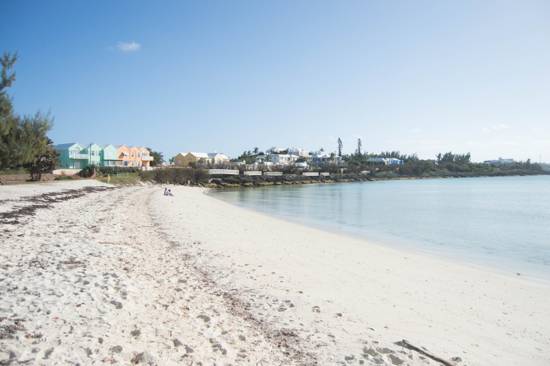
The most common mistake visitors make is renting a mini-car, driving all the way to Hamilton Parish, and expecting Shelly Bay to be covered in seashells. It is not. You will likely find a flat, calm beach with a slightly muddy bottom at low tide, but virtually zero intact shells.
The name is a historical trap. Shelly Bay is not named for seashells at all. It was named after Henry Shelly, a crew member of the famous 1609 Sea Venture shipwreck. If you go there expecting a beachcomber's paradise, you will leave disappointed.
The Best Beaches to Find Seashells
You will rarely find whole shells at Horseshoe Bay or Warwick Long Bay. The surf is simply too rough. To find intact shells, you need to head to the sheltered coves and rocky tidal pools on the western end of Bermuda.
My top recommendation is
Hog Bay Beach in Sandy's Parish. You have to hike through a wooded park to get there, and the path can be muddy if it rained the night before. You can only access the actual beach at low tide.
When the water pulls back, the rocky crevices and small sandy patches often reveal clam shells, tiny scallops, and occasionally a vacant conch shell.
Hog Bay Park Imagery
Tread carefully here. The limestone rocks surrounding the tidal pools are incredibly sharp and slippery. Wear water shoes, not flip-flops. Look closely at the waterline where the sea grass washes up, as shells often get tangled in the damp weeds.
Can You Take Seashells from Bermuda?
The short answer is absolutely not. You cannot take seashells, coral, or sand from Bermuda.
Under the Bermuda National Parks Act and the Fisheries Act, all public beaches and nature reserves are protected.
Taking natural items from the shoreline is strictly prohibited. This is not a casual rule that officials look the other way on. It is actively and aggressively enforced at L.F. Wade International Airport.
When you depart Bermuda, your luggage goes through high-resolution X-ray scanners. The security agents know exactly what dense calcium carbonate shells and bottles of packed sand look like on their screens.
If they spot them, they will pull your bag, search it, and confiscate the items. It is an embarrassing and time-consuming micro-friction you do not want to deal with right before your flight.
What to Expect at Cruise Ship Terminals
If you are arriving by sea, do not assume the rules are more relaxed. The local government has strict agreements with major cruise lines to prevent the removal of Bermuda's natural resources. This applies whether you are docked at King's Wharf, Heritage Wharf, or the smaller ports in Hamilton and St. George's.
When you return to your ship after a day of beachcombing, your bags must pass through the ship's gangway X-ray scanners. During one of my inspection of the port security protocols at the Royal Naval Dockyard, I watched security personnel pull aside multiple passengers specifically to confiscate soda bottles filled with pink sand and pockets full of sea glass and shells.
Cruise ship security teams are briefed by Bermuda authorities to look for these exact items. Because taking sand and shells violates the Bermuda National Parks Act, the items are not held for you to collect at the end of your sailing. They are confiscated immediately at the security checkpoint, and you will face an unnecessary delay during the reboarding process.
If you want a souvenir to take back to your cabin, you are better off visiting the
Clocktower Mall at the dockyard to purchase a legally crafted piece of Bermuda jewelry rather than risking the embarrassment of a gangway bag search.
Common Mistakes to Avoid
Do not try to hide shells deep inside your checked luggage. The scanners will still find them. Another major trap is buying unverified "local" shells from informal street vendors.
Some vendors might try to sell you large Queen Conch shells. The Queen Conch is a protected species under the CITES treaty. If you attempt to travel internationally with a Queen Conch shell without proper export permits, you risk heavy fines from both Bermuda customs and your home country's border protection.
Never trust outdated tour guides or taxi drivers who tell you that taking "just a little bit" is fine.
Alternatives: How to Legally Bring Bermuda Home
If you want a physical memory of the beaches, you have legal options. Several approved boutiques sell jewelry made with legally sourced or synthetic pink sand and shell motifs.
Alexandra Mosher Studio Jewellery in Hamilton is famous for setting local pink sand into silver and gold pieces.
Alternatively, you might enjoy hunting for sea glass. The rules for collecting sea glass are slightly different and depend heavily on the specific beach you visit. For a complete breakdown of where to go and what is legal, check out my dedicated guide to
Bermuda Sea Glass.
About the Author
 By Raj Bhattacharya
Raj has been writing about Bermuda since 2008, when he launched bermuda-attractions.com, one of the longest-standing independent guides to the island. A Certified Bermuda Specialist (Bermuda Tourism Authority), his work draws on personal visits, local contacts in Bermuda, and questions and trip reports from thousands of readers over the years.
Learn more about Raj Bhattacharya
Related Articles
|
Visitors' Reviews and Comments
Review and share your experience.
|