We earn a commission from third-party booking links, at no extra cost to you
Bermuda Attractions
By Raj Bhattacharya, Certified Bermuda Specialist (Bermuda Tourism Authority)
Welcome to Bermuda. If you are planning your first visit, this site is here to help you make confident travel decisions rather than overwhelm you with information.
I have been writing about Bermuda since 2008, and over the years thousands of travelers have used this guide to decide where to stay, what to do, how to get around, and how to make the most of their time on the island.
Whether you are arriving on a cruise for one day or flying in for a longer vacation, the quickest way to begin is to choose the section that best matches your trip.
From local fish sandwiches to waterfront fine dining across the island.
Or, Explore Bermuda at a Glance
Prefer to just read about the island? Scroll down for a comprehensive overview of Bermuda’s beaches, history, and transport highlights.
Why Visit Bermuda?
Bermuda is a British Overseas Territory of about 21 square miles, located roughly 650 miles east of Cape Hatteras, North Carolina. It is a long, narrow chain of more than 130 small islands and islets, with the eight largest joined by bridges and causeways to form a fishhook shape that you can drive across in well under an hour.
Despite its size, the island packs in pink sandy beaches, turquoise water, scenic golf courses, deep colonial history, vibrant culture, and a coral reef system that supports some of the best shallow-water snorkeling in the Atlantic.
Bermuda is not in the Caribbean. It sits several hundred miles north of it, and the weather here is sub-tropical, not tropical, which means cooler winters and a pleasantly warm summer.
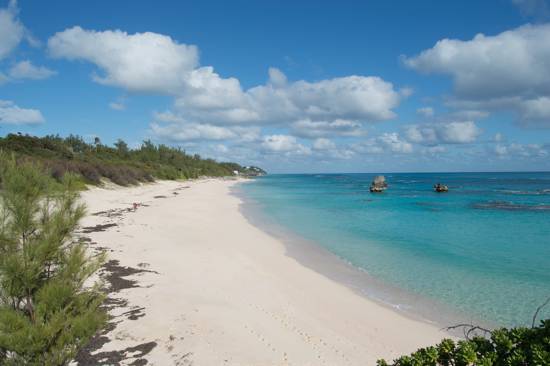
Bermuda's south shore is home to the famous pink sand beaches.
What makes Bermuda different from other island destinations is the balance of natural beauty and culture. Pink sand beaches sit along the south shore. Hundreds of shipwrecks rest in the surrounding reefs, many in shallow water you can snorkel over from a boat.
The eastern town of St. George is a UNESCO World Heritage Site and one of the oldest continuously inhabited English settlements in the New World. The capital, Hamilton, is a small but lively port city. The western tip, Royal Naval Dockyard, was once a British fortress and is now the main cruise terminal and a self-contained tourist hub.
In between, you will find nine parishes, each with its own character, from the rural calm of Smith's to the resort coast of Southampton.
Bermuda Highlights
The sub-sections below cover the main highlights of the island.
1. Pink Sand Beaches
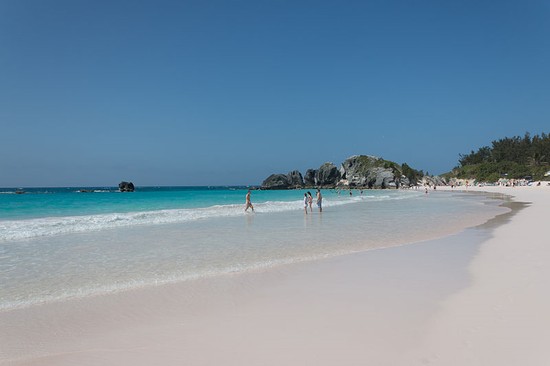
Bermuda's south shore is where you will find the famous pink sand beaches. The color comes from crushed red foraminifera shells mixed into the white coral sand, and you really do see it in person.
Horseshoe Bay is the most photographed and the most visited, but the south shore has many quieter coves, including Warwick Long Bay, Chaplin Bay, Stonehole Bay, and Jobson's Cove. On the eastern end, Tobacco Bay in St. George offers calmer water for swimming and snorkeling, along with rock formations and a beach bar. For a complete guide to which beach suits which kind of visitor, see Bermuda Beaches.
Horseshoe Bay Beach, Bermuda
Photo: Captain-tucker, CC by SA 4.0
2. Snorkeling and Shipwrecks
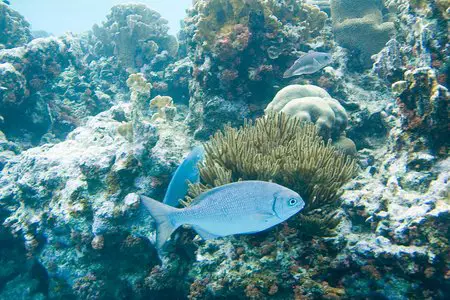
The reefs around Bermuda are among the northernmost in the world, and they are surprisingly accessible. Many corals sit in shallow water just off the beach, and the island has over 300 documented shipwrecks scattered through its waters. Some of them rest in only 20 to 30 feet of water, which means you can snorkel over them without diving gear.
From beaches such as Tobacco Bay, Church Bay, and Black Bay, you can snorkel straight from shore. Snorkeling and dive cruises also run from Hamilton and Dockyard, taking you to deeper sites with reef tours and wreck visits. Full guide: Things To Do in Bermuda.
Photo: Paul Asman and Jill Lenoble, flickr, cc by 2.0
3. Historic St. George
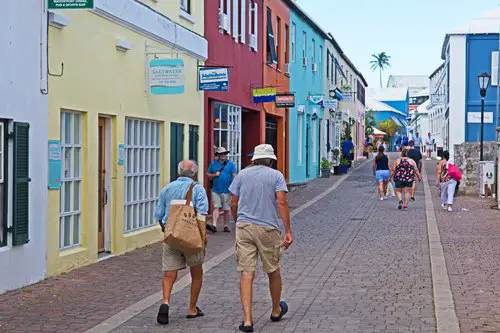
St. George, the former capital, is a UNESCO World Heritage Site and one of the oldest continuously inhabited English settlements in the Americas, founded in the early 1600s. Walking through the narrow cobblestone lanes feels like stepping into the colonial past.
You will find old forts, historic churches, and small museums spread through compact streets. King's Square in the center hosts re-enactments, and St. Peter's Church is one of the oldest Anglican churches outside Britain still in use. The town also has a small cruise port for smaller ships. See the full guide to St. George.
St. George, Bermuda
Photo: Charles Lewis
4. Royal Naval Dockyard
The Royal Naval Dockyard, also called King's Wharf, sits at the western end of the island. Built in the 19th century as a British naval base, it is now Bermuda's main cruise port and a self-contained tourist hub. Most large cruise ships dock here.
Inside the old fortified walls, you will find the National Museum of Bermuda, Dolphin Quest, Craft Market, the Clocktower Mall, restaurants, glassblowing studios, and the Frog and Onion Pub. If you are arriving by cruise, this is where you will spend a lot of your time. See the Dockyard Guide.
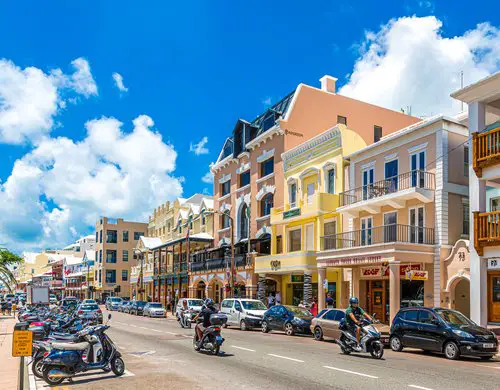
Hamilton is the capital and commercial center, located on the central island along Hamilton Harbor. Front Street, the main thoroughfare, runs along the waterfront and is lined with shops, restaurants, bars, and the city's smaller cruise pier where some ships dock.
Hamilton is a relaxed place to walk around for half a day or a full day. It also has most of the island's nightlife, with bars and a few clubs that stay open late. For getting your bearings, Hamilton is where the main bus and ferry terminals are. See the Hamilton Guide.
Front Street, Hamilton
Photo: Darryl Brooks
6. Championship Golf
Bermuda has several championship golf courses for its size, and the views from the fairways are unlike anywhere else, with elevated tees and ocean panoramas on most holes.
Port Royal Golf Course in Southampton, a Robert Trent Jones Sr. design, hosts the PGA TOUR's Butterfield Bermuda Championship each November and previously hosted the PGA Grand Slam of Golf from 2009 to 2014. The signature 16th hole, perched on a coastal cliff, is one of the most photographed holes in the world.
Other notable courses include Mid Ocean Club, Tucker's Point, Turtle Hill, and Belmont Hills.
7. Caves, Nature, and the Railway Trail
Beyond beaches and history, Bermuda has serious natural attractions. The Crystal and Fantasy Caves are two limestone caves with underground lakes and dramatic formations that you walk over on a pontoon bridge. The Bermuda Aquarium, Museum, and Zoo in Flatts Village is a compact but well-curated stop.
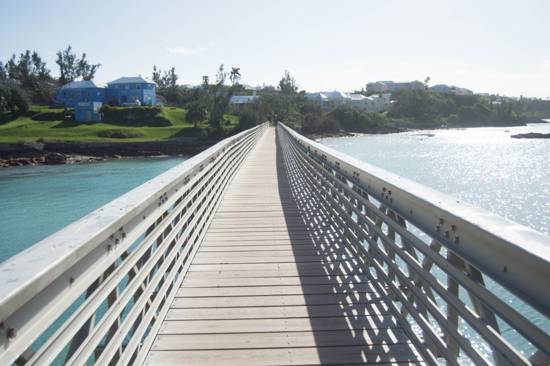
Bailey's Bay Footbridge (part of railway trail)
The Bermuda Railway Trail, built on the right-of-way of the island's old railway, runs for 18 miles from St. George to Somerset and is open to walkers and cyclists. And Tom Moore's Jungle offers walking trails through forest with blue holes and caves.
The Gibbs Hill Lighthouse is one of the oldest cast iron lighthouses in the world and you can climb it for panoramic views.
When to Visit, Costs and What to Expect
Bermuda's high season runs from April through October, when the weather is warm enough for swimming and water sports. July and August are the warmest months, with average highs in the mid-80s Fahrenheit.
The shoulder months of April, May, and October are popular with travelers who want lower prices and smaller crowds, with water still warm enough to enjoy.
The cooler months from November through March are quiet, with temperatures in the 60s and many smaller attractions on reduced hours. Hurricane season runs from June through November, with the peak risk window in August and September.
Visitor Numbers and Travel Patterns
Tourism is one of the island's main industries. In 2025, Bermuda welcomed about 199,000 visitors by air and 468,000 by cruise, with over 80 percent arriving from the United States, with smaller numbers coming from Canada, the United Kingdom, and other parts of Europe.
New York is the largest source market, and a direct flight from JFK or Newark to Bermuda takes around 2 hours and 15 to 35 minutes. American Airlines, Delta, JetBlue, United, and Bermuda's own carrier BermudAir operate most of the air routes. Most cruise passengers arrive on Norwegian, Royal Caribbean, and Celebrity ships sailing from US East Coast ports.
Costs and Getting Around
Costs in Bermuda are higher than in most Caribbean destinations. Hotel prices in summer regularly cross 500 US dollars per night for mid-tier rooms and well above that for resorts. Restaurants are expensive by US standards.
Public buses and ferries are good value at around five US dollars per single ride or 19 US dollars for a one-day pass. Bermuda accepts both US dollars and Bermuda dollars (BMD) at one-to-one parity, so you do not need to change currency.
Getting around is easier than visitors expect. Public buses run frequently along the main routes, ferries connect Hamilton, Dockyard, and the central parishes, and taxis are available across the island.
Traditional car rentals are not available to visitors, but you can rent a scooter, a bicycle, or one of the small electric mini-cars introduced in recent years. For most short stays, the bus and ferry combination is enough.
One thing that surprises many first-time visitors is how spread out the island feels for its size. Driving from Dockyard at the western tip to St. George at the eastern tip takes about an hour and a half on local roads. If you are based at one end, plan to use a full day for the other end.
Ready to explore further? Use the main navigation above to discover restaurants, shopping, nightlife, local tours, weddings and many other aspects of Bermuda.
About the Author
By Raj Bhattacharya
Raj has been writing about Bermuda since 2008, when he launched bermuda-attractions.com, one of the longest-standing independent guides to the island. A Certified Bermuda Specialist (Bermuda Tourism Authority), his work draws on personal visits, local contacts in Bermuda, and questions and trip reports from thousands of readers over the years.
Learn more about Raj Bhattacharya

 By Raj Bhattacharya