We earn a commission from third-party booking links, at no extra cost to you
The Complete Guide to Bermuda's Parks, Gardens and Nature Reserves
Updated: October 2026
Bermuda is world-famous for its pink sand beaches, but the interior holds an entirely different kind of beauty. The island features an incredibly dense ecosystem packed with over 8,000 species of flora and fauna.
Beyond the manicured resort lawns, you will find wild coastal cliffs, deep cave systems, and quiet peat marshes.
This guide cuts through the noise to help you find the right trails and green spaces for your trip. I will walk you through the practical realities of navigating these areas, from finding the right bus routes to dealing with slippery limestone paths.
At a Glance
| Feature |
Details |
| Best Time to Go |
October to May (lower humidity, fewer mosquitoes). |
| Total Cost Estimate |
Free (almost all public parks and reserves have no entry fee). |
| Ideal Duration |
1 to 3 hours per park. |
| Primary Transport |
Public Bus (look for pink and blue poles) or Mini-car rental. |
| Key Wildlife |
Bermuda Bluebirds, Longtails, Humpback Whales (spring off South Shore). |
Before You Go: The Essentials
Bermuda Bus Stop on South Road
You need to know what you are walking into before leaving your hotel. Bermuda is small, but its landscape is rugged and highly varied.
Who this is for: These spaces are perfect for birdwatchers, hikers, and history buffs. Skip the wilder nature reserves if you only want manicured resort lounging with full cocktail service.
What surprised me the most: How completely wild places like Hog Bay and Spittal Pond feel compared to the heavily developed resort areas. You can walk for an hour and never see another tourist.
Common mistakes: Assuming all parks have public restrooms. Many do not. Visitors also frequently forget bug spray for the marshlands or try to bring dogs to beach parks during the summer ban (April 1 to October 31).
Practical details: Almost all parks are free and open from sunrise to sunset. Taxis can drop you off, but knowing the bus routes is crucial for one-way hikes. Remember that pink bus poles mean the bus is heading toward Hamilton, and blue poles mean it is heading away from Hamilton.
Pro-Tip: Navigating and Fueling Up
If you rent a two-seater Twizy or another micro-car, be aware that parking at smaller trailheads is extremely tight. If you plan to hike all day, grab lunch from a local bakery first.
You cannot go wrong with a slice of traditional cassava pie or a bowl of local fish chowder. Just make sure to ask for the black rum and sherry peppers on the side so you can season it yourself.
Alternatives: If This Isn't For You...
If you prefer exploring marine life, you should check out our
Bermuda Snorkeling Guide. If you want a manicured beach experience with chair rentals and waitstaff, head over to our
Best Beach Clubs page instead.
Bermuda's "Big Four" National Parks and Gardens
Bermuda Botanical Gardens
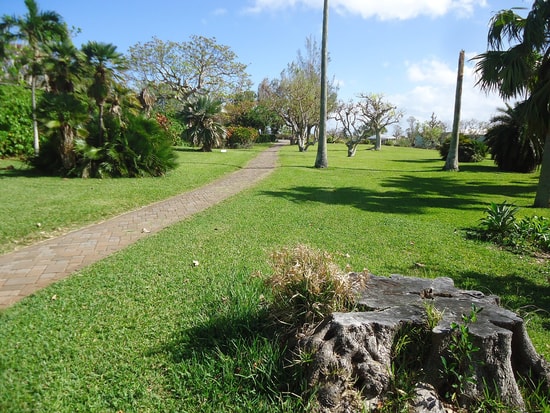
If you only have time for a few stops, these four locations offer the best return on your time. They represent the absolute pinnacle of the island's natural and historical preservation.
Bermuda Botanical Gardens (Paget Parish)
This 36-acre estate is the horticultural heart of the island. You will find an impressive sensory garden, a banyan tree grove, and the famous Double Fantasy flower that inspired John Lennon during his 1980 visit.
Currently, Camden House (the official residence of the Premier) is closed to public indoor tours. However, the grounds remain fully open. You can grab an excellent iced coffee at
The Botanist Cafe near the entrance.
Spittal Pond Nature Reserve (Smith's Parish)
This is the largest nature reserve on the island and a mandatory stop for birdwatchers. The trail loops along dramatic, crashing coastlines and a massive brackish pond.
You will find Portuguese Rock here, which marks the spot of a 1543 shipwreck. The coastal rocks get incredibly slippery when wet, so wear proper grip shoes.
Bermuda Railway Trail National Park
This is not a traditional park, but rather an 18-mile trail spanning the island from end to end. It follows the path of the old Bermuda Railway, which was dismantled in 1948. It is entirely vehicle-free, making it the safest place to jog, walk, or rent a pedal bike. You can access it from dozens of points across the island.
Cooper's Island Nature Reserve (St. David's)
Located near the airport, this former NASA tracking station and US military base is now a pristine coastal sanctuary. The beaches here are completely undeveloped and offer incredibly calm, shallow water. There is a wildlife observation tower at the far end that provides sweeping views of the eastern reef line.
Best Nature Reserves for Raw Wildlife and Hiking
Paget Marsh Boardwalk
If you want to step off the paved paths and experience the island's original ecology, these reserves are your best options.
Walsingham Nature Reserve (Hamilton Parish)
Popularly known as Blue Hole Park, locals call this "Tom Moore's Jungle." It is a rugged, deeply forested area filled with subterranean cave systems and deep blue swimming holes.
The ground is very uneven, with exposed tree roots and sharp limestone, so leave the sandals in your bag. Discover the best swimming spots in our
Walsingham Nature Reserve Guide.
Hog Bay Park (Sandys Parish)
This sprawling park is heavily utilized by local farmers. You will hike past active vegetable fields before descending through thick woods to the coast. There is a tiny, beautiful beach at the very end of the trail, but it completely disappears at high tide. Check the tide charts before you go. Read more in our
Hog Bay Park Guide.
Paget Marsh (Paget Parish)
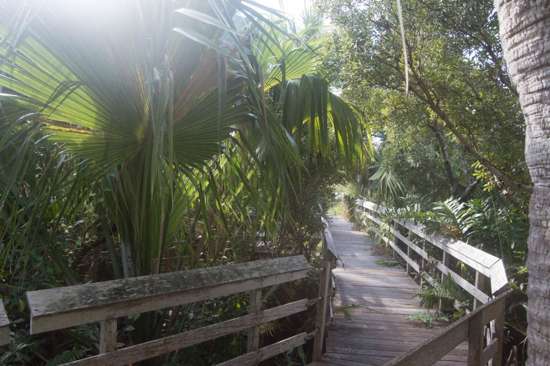
This is a perfectly preserved slice of pre-colonial Bermuda. The Bermuda National Trust maintains a raised wooden boardwalk that takes you safely over the peat marsh. You will walk through a dense forest of Bermuda cedar and palmetto trees. It is quiet, shaded, and highly accessible. Plan your visit with our
Paget Marsh Bermuda Guide.
Vesey Nature Reserve (Southampton Parish)
This reserve covers eight acres of restored woodland. The trails wind through old limestone quarries and offer fantastic elevated views over the Little Sound. It is a steep climb in sections, but the birdwatching opportunities are excellent. See trail maps on our
Vesey Nature Reserve page.
Best Parks for Coastal Views, Cliffs and Picnics
Astwood Park
Pack a lunch and head to these parks if you want dramatic ocean photography, historical forts, and wide-open green spaces.
Admiralty House Park (Pembroke Parish)
This is the premier spot for local cliff jumping. The park features a network of caves carved by the British military in the 1800s. You can explore the tunnels, swim in the protected cove, or watch locals dive from the limestone pillars. Parking is easy, but it gets crowded on summer weekends. Learn more in our
Admiralty House Park Guide.
Astwood Park (Warwick Parish)
Astwood Park offers some of the most dramatic cliffside views on the South Shore. It is a highly popular spot for outdoor weddings. There is a steep, winding dirt path that leads down to a secluded beach cove. The hike back up is taxing in the summer heat, so bring plenty of water.
Ferry Reach Park (St. George's Parish)
Spanning over 60 acres, this park is a mix of woodland trails, coastal mangroves, and historical sites. You can explore the ruins of several old forts, including Ferry Island Fort. It is right near the airport, making it a great spot to watch planes take off over the water. Check out our
Ferry Reach Park Guide.
Fort Scaur Park (Sandys Parish)
Built in the 1870s to defend the Royal Naval Dockyard, Fort Scaur sits on the highest hill in Somerset. The park grounds are perfectly manicured, offering panoramic views of Ely's Harbour and the Great Sound. The fort itself is free to explore. Read the history on our
Fort Scaur Park page.
Historic City Parks and Gardens
Moongate at Somers Garden, St. George
Photo: Clyde Adams III, flickr, cc by 2.0
You do not need to leave the city centers to find green space. Hamilton and St. George's offer several accessible parks perfect for a lunch break while shopping.
Victoria Park (Hamilton): Features a beautiful sunken garden and a restored Victorian bandstand. It is a popular spot for outdoor concerts in the summer. Read more on our Victoria Park page.
Queen Elizabeth Park (Hamilton): Formerly known as Par-la-Ville Park. It features shaded pathways, koi ponds, and a traditional Bermuda Moongate. Find it in our Queen Elizabeth Park Guide.
Barr's Bay Park (Hamilton): A waterfront park with deep historical significance. A monument here honors the enslaved people who arrived on the American ship Enterprise in 1835 and gained their freedom. See the details on our Barr's Bay and Park page.
Somers Garden (St. George's): A quiet garden dedicated to Sir George Somers, who shipwrecked here in 1609. His heart is reportedly buried within the grounds. Explore it via our Somers Garden Guide.
More Parks and Gardens by Parish
If you have covered the major sites and want to explore further, here is a quick breakdown of the remaining public green spaces across the island.
St. George's Parish
Coney Island Park: Features an old horse ferry landing and great views of the north shore.
Hamilton Parish
Smith's Parish
Penhurst Park: A 15-acre agricultural park with nice walking trails. It offers great ocean views over the north coastal line.
Devonshire Parish
Arboretum: A massive, open expanse of trees and meadows perfect for picnics.
Palm Grove Gardens: A private estate open to the public, famous for its pond featuring a map of Bermuda made of grass.
Pembroke Parish
Spanish Point Park: A beautiful peninsula park with calm, shallow bays and picnic benches.
Pembroke Marsh: A marshy land with a large pond, many types of endemic trees and migratory and nesting birds.
Tulo Valley Plant Nursery: This is a Bermuda Government owned nursery that supplies most of the plant stocks to the nature reserves and public gardens in Bermuda.
Paget Parish
Crow Lane Park: A city park facing the easternmost tip of the Hamilton Harbor, the park offers a great view of sunset.
Aberfeldy Nurseries: Once a modest family business, it has now grown into the largest nursery in Bermuda.
Warwick Parish
Southlands Estate: A massive national park featuring incredible banyan tree groves and old estate ruins.
Southampton Parish
Seymour's Pond Nature Reserve: A 2.5 acre, quiet reserve managed by the Audubon Society, excellent for spotting migratory birds. It's located at the Barnes' Corner near the junction of the South Road and Middle Road.
Church Bay Park: Offers high grassy cliffs overlooking the island's best snorkeling beach.
Sandys Parish
Gladys Morrell Nature Reserve: A quiet, two-acre sanctuary focused on bluebird conservation. You can see native plantations including Olivewood bark and Cedars. It's located at Mangrove Bay village.
Daniels Head Park: Primarily a peninsular beach park, it spreads over 17 acres and has nice secluded beaches and a park area.
Frequently Asked Questions
Are Bermuda's national parks free?
Yes. Almost every public park, nature reserve, and garden in Bermuda is completely free to enter. The only exceptions are private attractions like the Crystal Caves.
Are there dangerous animals in Bermuda's nature reserves?
No. Bermuda has no venomous snakes, spiders, or large predators. The biggest annoyances you will face are mosquitoes in the marshlands and the occasional Portuguese Man o' War washing up on the beaches during the spring and summer.
Which park is best for seeing Bermuda Bluebirds?
Spittal Pond Nature Reserve and the Gladys Morrell Nature Reserve are excellent spots. You will also frequently see bluebirds on the open greens of the island's many golf courses.
Can I ride a scooter on the Railway Trail?
No. Motorized vehicles, including rental scooters and Twizys, are strictly prohibited on the Bermuda Railway Trail. It is reserved for walking, jogging, and pedal bicycles.
About the Author
 By Raj Bhattacharya
Raj has been writing about Bermuda since 2008, when he launched bermuda-attractions.com, one of the longest-standing independent guides to the island. A Certified Bermuda Specialist (Bermuda Tourism Authority), his work draws on personal visits, local contacts in Bermuda, and questions and trip reports from thousands of readers over the years.
Learn more about Raj Bhattacharya
Related Articles